- Home
- »
- Abstracts
Abstracts
Key Topics to be covered in IIM ATM 2026 include (but are not limited to):
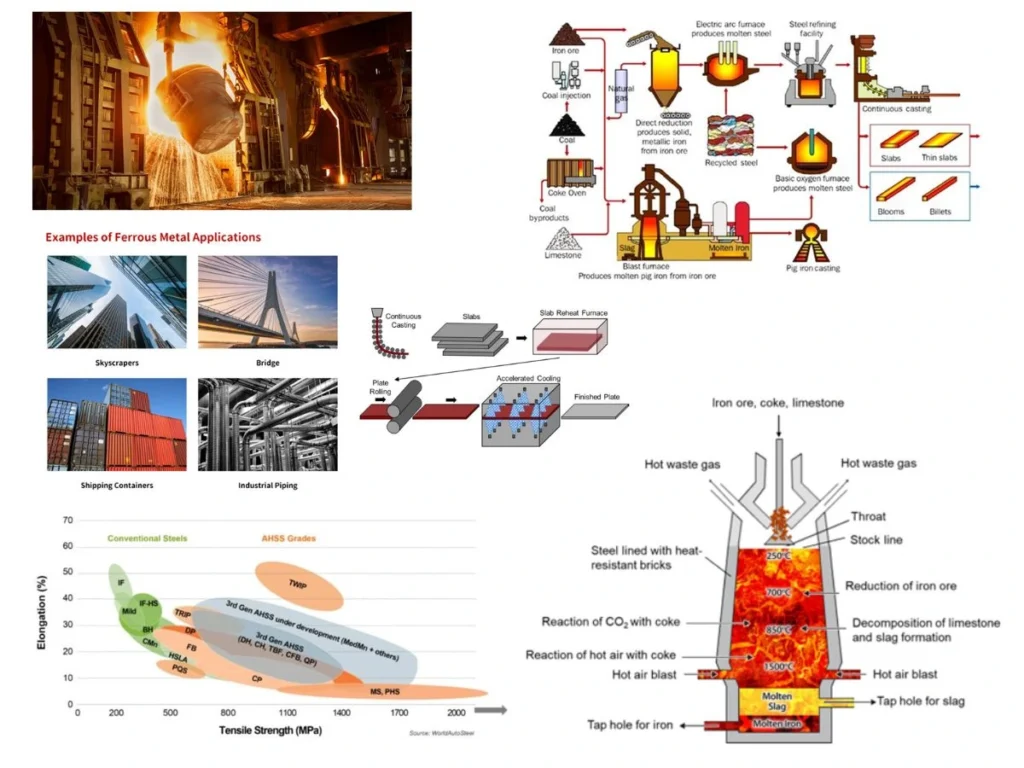
Advances in Ferrous Metallurgy (FE)
“Advances in Ferrous Metallurgy (FE)” focuses on the latest scientific and technological developments related to iron and steel production, processing, and performance enhancement. This sub-theme covers innovations in alloy design, thermomechanical processing, phase transformation control, and microstructure engineering aimed at improving the strength, durability, and sustainability of ferrous materials. It also includes emerging research on advanced steel grades, energy-efficient manufacturing routes, recycling, and decarbonization of ironmaking and steelmaking processes. The theme encourages contributions that bridge fundamental metallurgy with industrial applications to meet modern engineering and environmental demands.
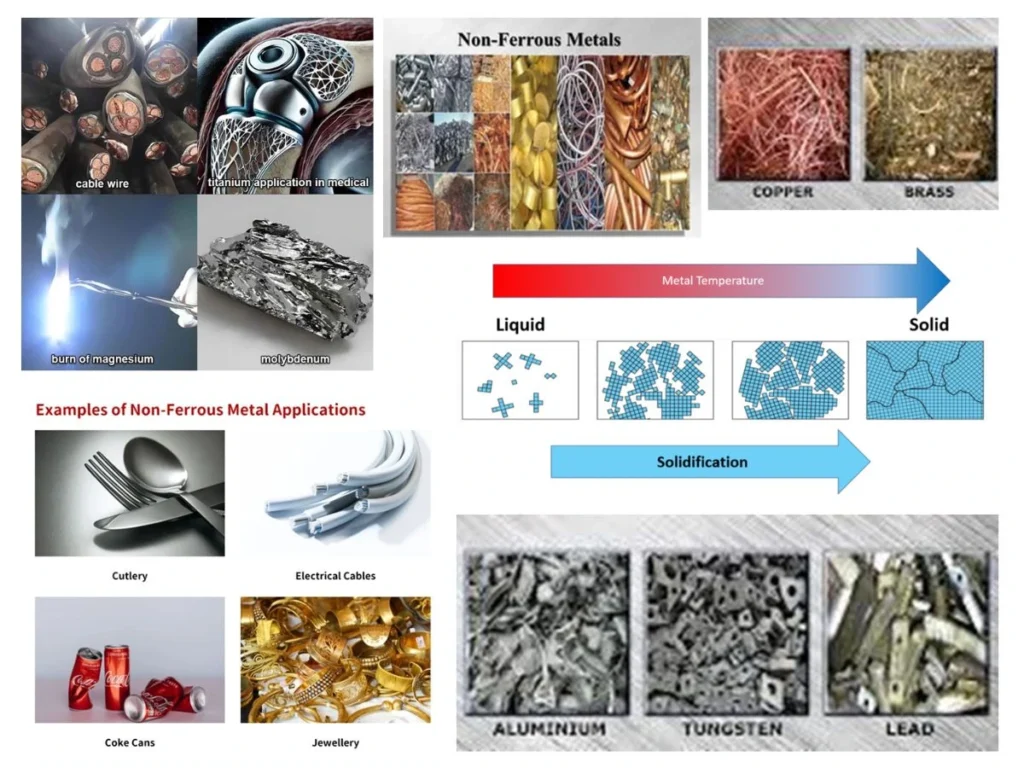
Advances in Non-Ferrous Metallurgy (NFE)
“Advances in Non-Ferrous Metallurgy (NFE)” highlights recent developments in the extraction, processing, characterization, and application of non-ferrous metals and alloys such as aluminum, copper, titanium, magnesium, and nickel-based systems. This sub-theme focuses on innovations in alloy design, solidification, thermomechanical processing, and microstructure–property relationships that enhance the performance of these materials in diverse engineering applications. It also covers advancements in sustainable and energy-efficient processing routes, recycling technologies, and critical materials recovery. The theme aims to bring together researchers and industry professionals working to improve the efficiency, functionality, and environmental sustainability of non-ferrous metallurgical processes and materials.
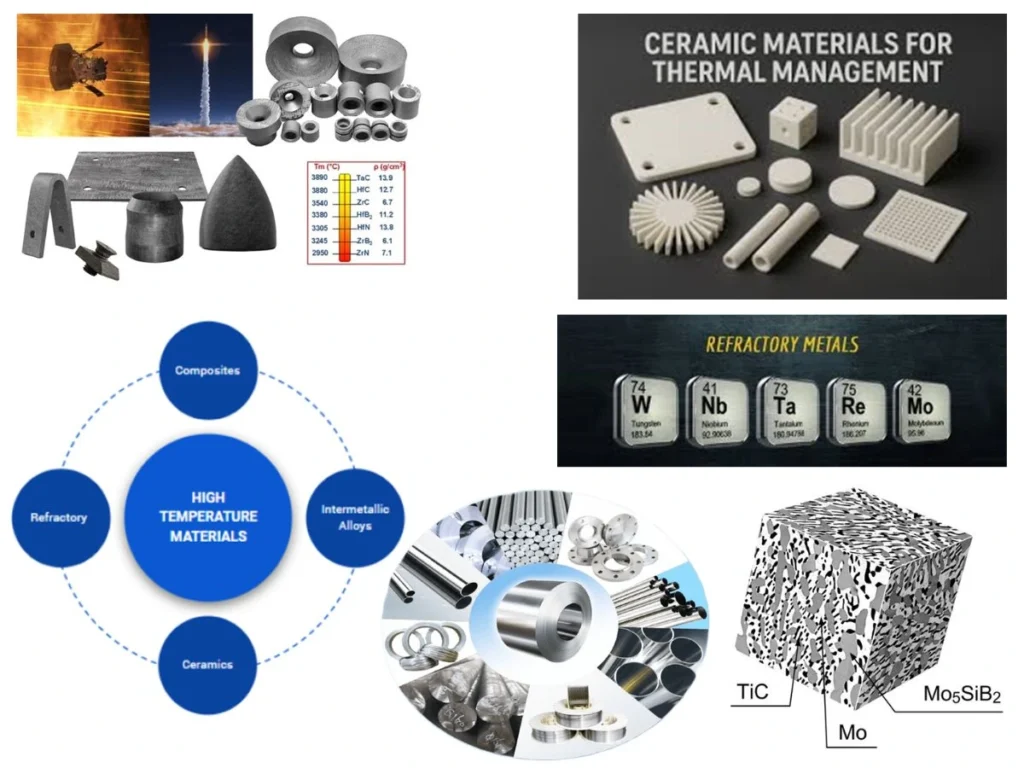
High Temperature Materials (HT)
“High Temperature Materials (HT)” focuses on the development, processing, and performance of materials designed to operate under extreme thermal environments. This sub-theme includes research on superalloys, refractory metals, ceramics, and advanced composites that maintain mechanical strength, oxidation resistance, and structural stability at elevated temperatures. It also addresses topics such as creep behavior, phase stability, thermal degradation, and protective coatings for high-temperature applications. The theme encourages studies that support advancements in sectors such as aerospace, power generation, energy systems, and high-temperature industrial processing.
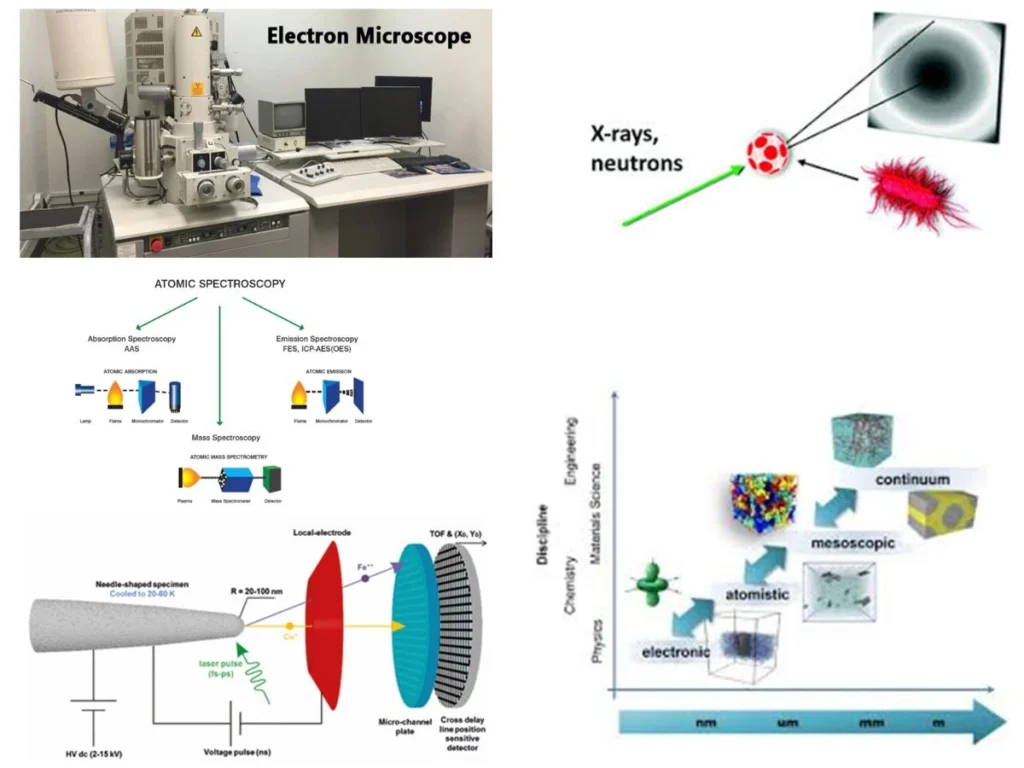
Advanced Characterisation Techniques (CHAR)
“Advanced Characterisation Techniques (CHAR)” focuses on modern experimental and analytical methods used to investigate the structure, composition, and properties of materials across multiple length scales. This sub-theme covers state-of-the-art tools such as electron microscopy, X-ray and neutron diffraction, spectroscopy, and atom probe techniques for detailed microstructural and chemical analysis. It also includes in-situ and operando characterization approaches that allow researchers to observe material behaviour during processing or service conditions. The theme encourages contributions that improve the understanding of structure–property relationships and support the development of advanced metallic and functional materials.
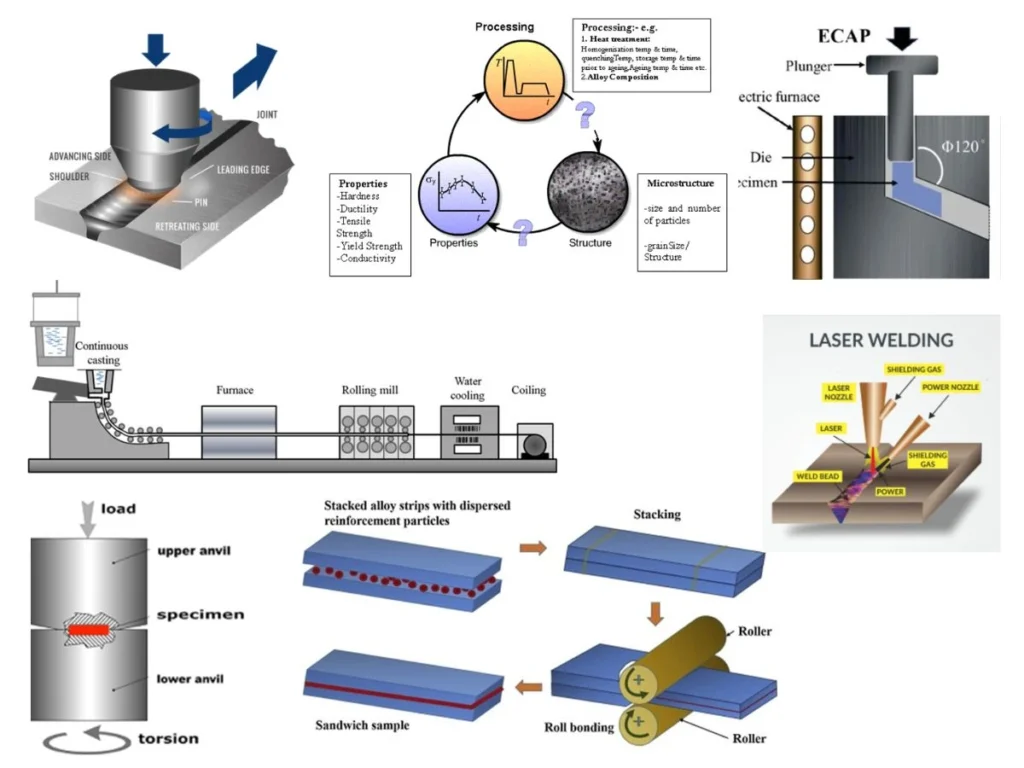
Advanced Materials and Processes (includes FSW, SPD, ARB, ECAP, TMCP, LBW, HEA etc) (AMP)
“Advanced Materials and Processes (includes FSW, SPD, ARB, ECAP, TMCP, LBW, HEA etc) (AMP)” focuses on innovative processing routes and material systems that enable the development of high-performance structural and functional materials. This sub-theme highlights advanced deformation and joining techniques such as friction stir welding (FSW), severe plastic deformation (SPD), accumulative roll bonding (ARB), equal channel angular pressing (ECAP), thermomechanical controlled processing (TMCP), and laser beam welding (LBW). It also includes research on emerging material systems like high entropy alloys (HEAs) with unique microstructures and superior mechanical or functional properties. The theme encourages studies that explore process–microstructure–property relationships to design materials with enhanced strength, ductility, and performance for modern engineering applications.
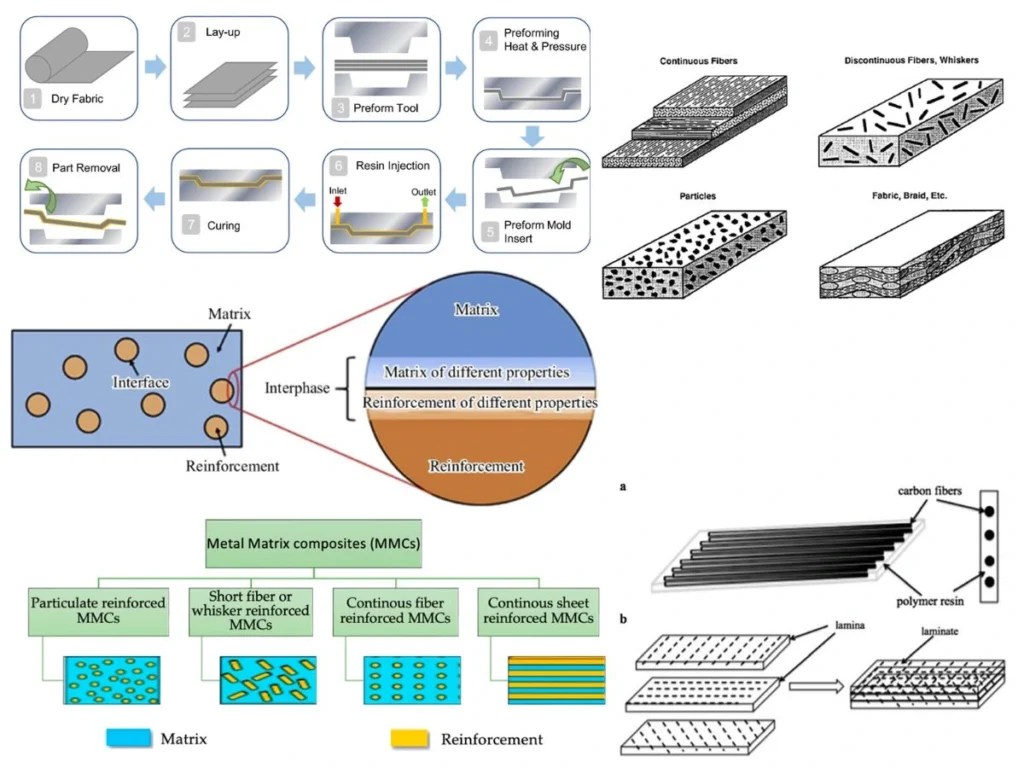
Advanced Composites (COMP)
“Advanced Composites (COMP)” focuses on the design, development, and characterization of composite materials that combine two or more distinct constituents to achieve superior mechanical, thermal, or functional properties. This sub-theme includes research on metal matrix, polymer matrix, and ceramic matrix composites, as well as fiber-reinforced and nano-reinforced systems. It also highlights advanced fabrication techniques, interface engineering, and microstructure–property relationships that enhance performance and durability. The theme encourages contributions aimed at developing lightweight, high-strength, and multifunctional composites for applications in aerospace, automotive, energy, and structural engineering.
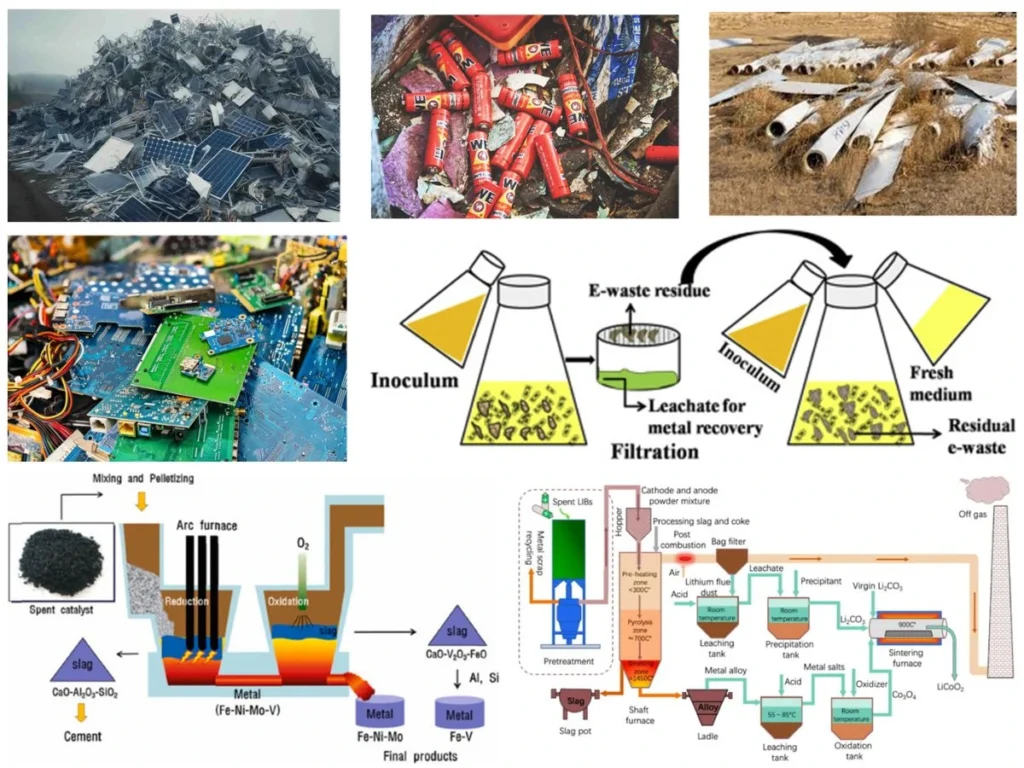
Materials Recovery and Recycling for Clean Energy Transition (RecGreen)
“Materials Recovery and Recycling for Clean Energy Transition (RecGreen)” focuses on sustainable strategies for recovering, recycling, and reusing critical materials required for clean energy technologies. This sub-theme highlights innovations in the recycling of metals and materials from batteries, solar panels, wind turbines, and electronic waste to ensure resource efficiency and supply security. It also covers advancements in hydrometallurgical, pyrometallurgical, and bio-metallurgical processes for environmentally responsible materials recovery. The theme encourages research that supports circular economy approaches and reduces the environmental footprint of materials used in renewable energy systems and low-carbon technologies.
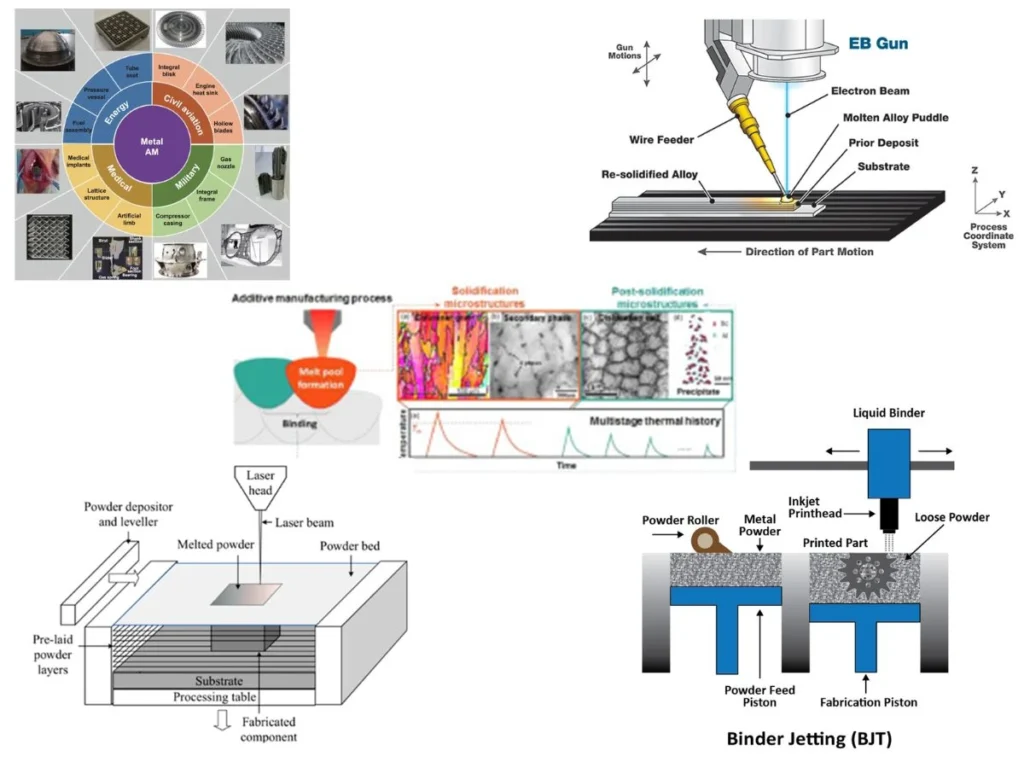
Additive Manufacturing (AM)
“Additive Manufacturing (AM)” focuses on layer-by-layer fabrication technologies that enable the production of complex components directly from digital models. This sub-theme covers various additive manufacturing techniques such as powder bed fusion, directed energy deposition, and binder jetting for metals, polymers, and composite materials. It also includes research on process optimization, microstructural evolution, mechanical properties, and post-processing methods to improve the quality and performance of additively manufactured parts. The theme encourages contributions that advance design flexibility, material efficiency, and industrial applications of additive manufacturing in sectors such as aerospace, biomedical, automotive, and energy.
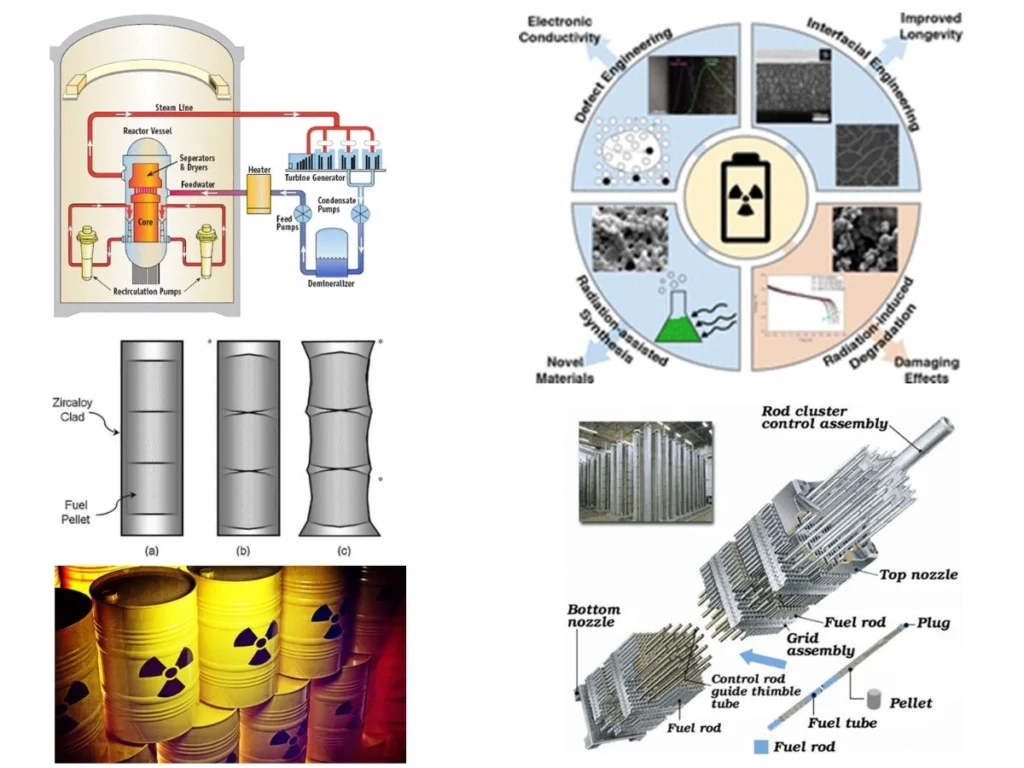
Advances in Nuclear Materials (NUC)
“Advances in Nuclear Materials (NUC)” focuses on the development and performance of materials designed for use in nuclear energy systems and radiation environments. This sub-theme covers research on fuel materials, structural alloys, cladding materials, and radiation-resistant materials used in fission and emerging fusion reactors. It also includes studies on irradiation effects, corrosion, swelling, creep, and phase stability under extreme temperature and radiation conditions. The theme encourages innovations that enhance the safety, reliability, and longevity of materials used in current and next-generation nuclear energy technologies.
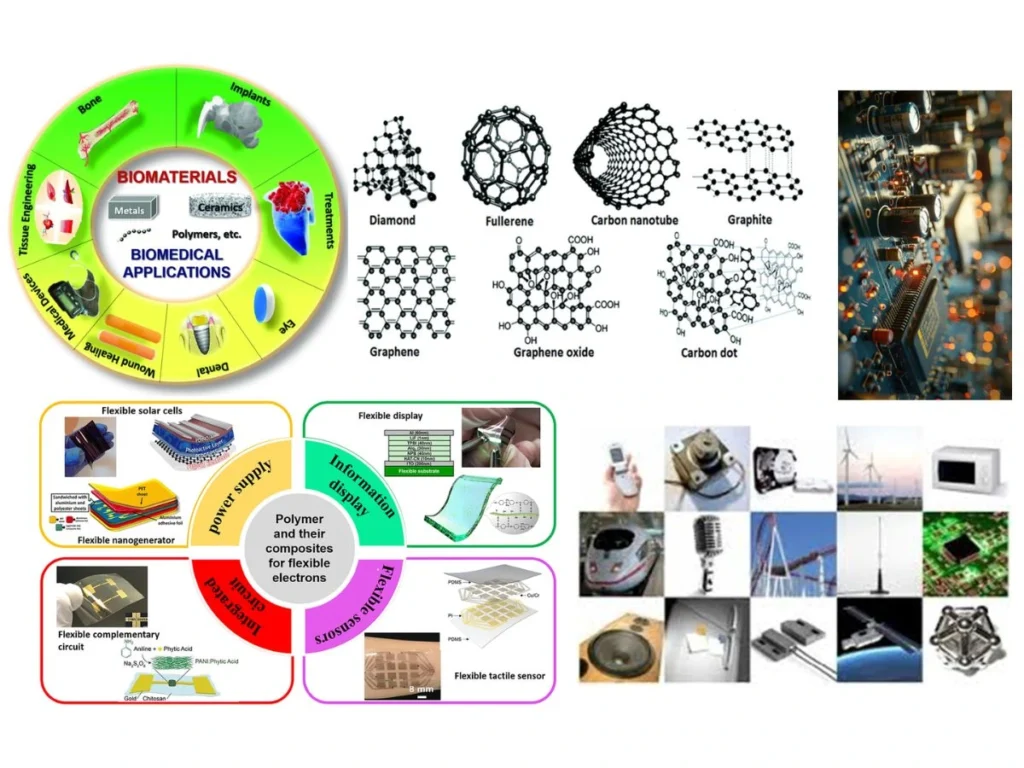
Functional Materials (includes Nano, Bio, Polymer, Magnetic, Electronics etc) (FM)
“Functional Materials (includes Nano, Bio, Polymer, Magnetic, Electronics etc) (FM)” focuses on materials engineered to exhibit specific physical, chemical, or biological functions for advanced technological applications. This sub-theme includes research on nanomaterials, biomaterials, polymers, magnetic materials, and electronic materials with tailored properties such as conductivity, magnetism, biocompatibility, and responsiveness to external stimuli. It also highlights advances in synthesis, characterization, and structure–property relationships that enable improved functionality and device performance. The theme encourages interdisciplinary contributions that support innovations in areas such as sensors, biomedical devices, energy storage, electronics, and smart materials.
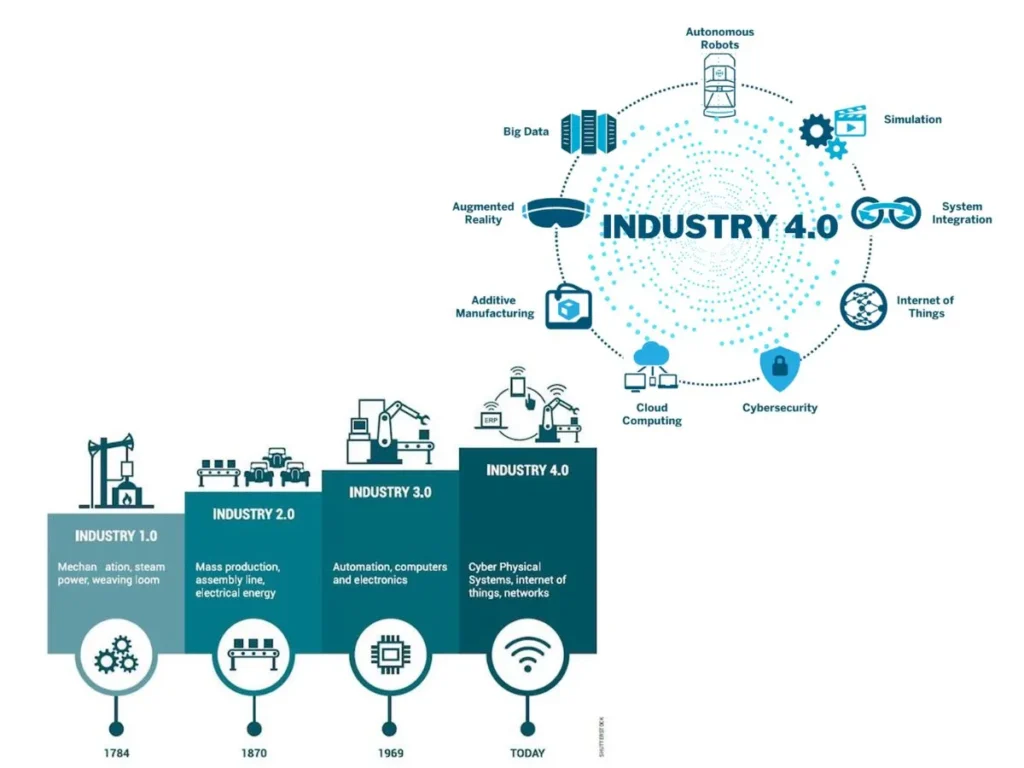
Industry 4.0 Technologies (IND)
“Industry 4.0 Technologies (IND)” focuses on the integration of advanced digital technologies to enhance efficiency, automation, and intelligence in modern manufacturing and materials processing industries. This sub-theme covers innovations in artificial intelligence, machine learning, the Internet of Things (IoT), digital twins, big data analytics, and smart sensors for real-time monitoring and process optimization. It also highlights the application of cyber-physical systems and advanced robotics to improve productivity, quality control, and predictive maintenance. The theme encourages research that bridges materials science and digital manufacturing to enable smarter, more sustainable, and highly adaptive industrial systems.
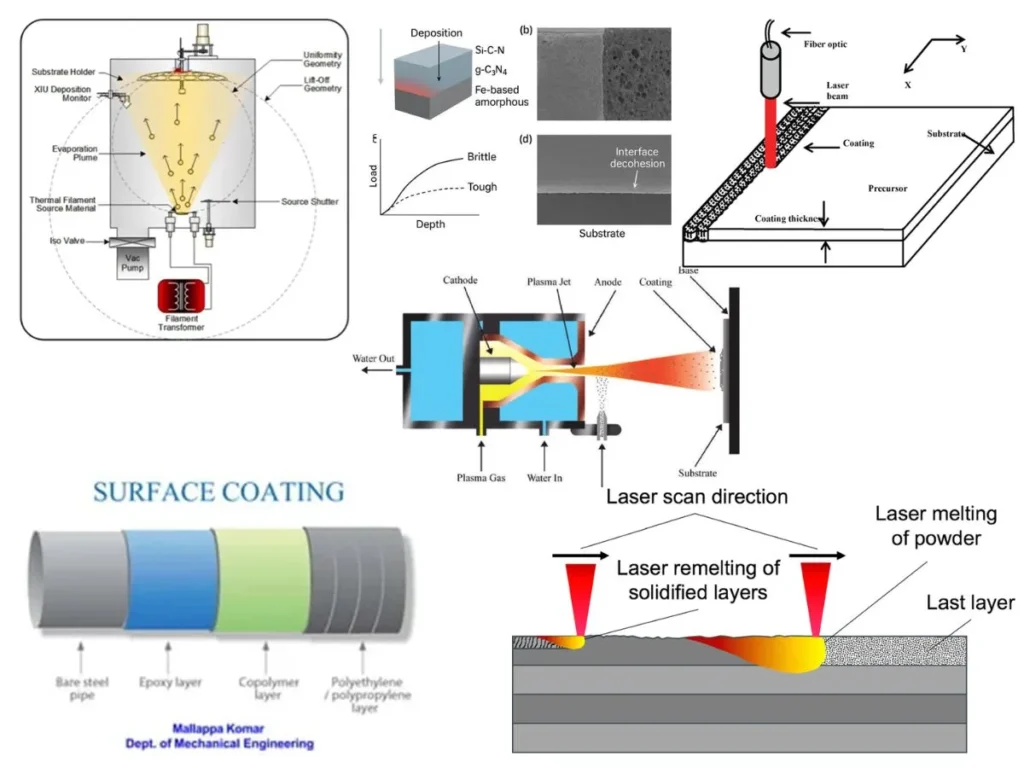
Surface Engineering and Development (SURF)
“Surface Engineering and Development (SURF)” focuses on the modification and enhancement of material surfaces to improve their performance, durability, and functionality in demanding environments. This sub-theme covers techniques such as coatings, thin film deposition, surface alloying, laser surface treatment, and thermal spraying to enhance properties like wear resistance, corrosion resistance, hardness, and oxidation resistance. It also includes studies on surface characterization, interface behavior, and microstructural evolution during surface modification processes. The theme encourages research that links surface engineering strategies with improved performance and extended service life of components in industrial and engineering applications.
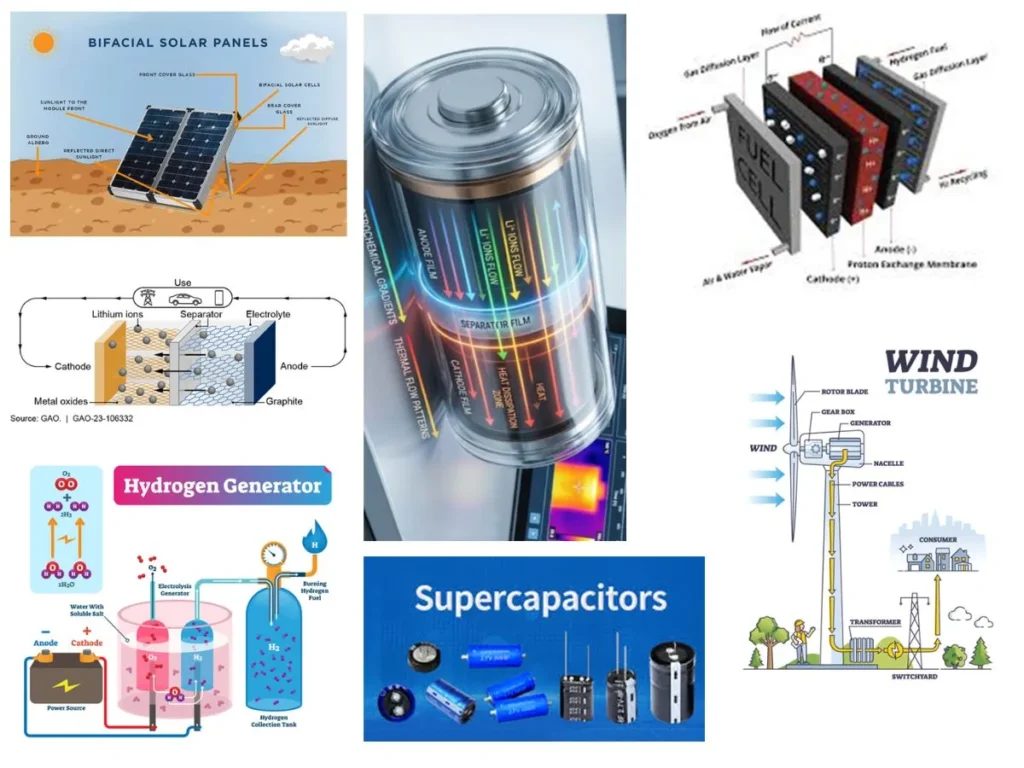
Green Energy Production and Storage (ES)
“Green Energy Production and Storage (ES)” focuses on the development of sustainable technologies for generating and storing energy from renewable sources. This sub-theme includes research on materials and systems for solar, wind, hydrogen, and other clean energy technologies, as well as advanced energy storage solutions such as batteries, supercapacitors, and fuel cells. It also highlights innovations in materials design, efficiency improvement, and durability of components used in renewable energy systems. The theme encourages interdisciplinary studies that support the transition toward low-carbon energy systems and promote sustainable energy infrastructure for the future.
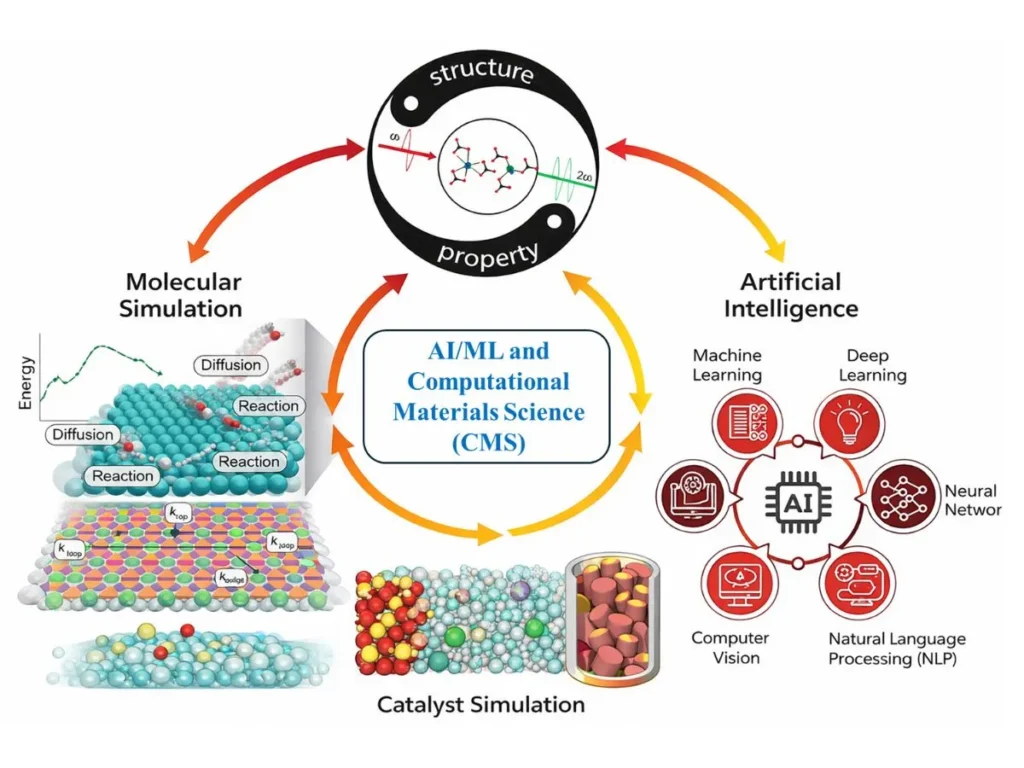
AI/ML and Computational Materials Science (CMS)
“AI/ML and Computational Materials Science (CMS)” focuses on the application of artificial intelligence, machine learning, and computational modeling to accelerate the discovery, design, and optimization of materials. This sub-theme includes studies involving data-driven materials design, predictive modeling, atomistic and multiscale simulations, and integration of computational tools with experimental research. It also highlights the use of materials informatics, high-throughput simulations, and digital databases to understand structure–property relationships and guide materials development. The theme encourages interdisciplinary contributions that combine computational techniques and intelligent algorithms to enable faster, cost-effective innovation in materials science and engineering.
Abstract Guidelines:
- Abstract Submission: Submit through the conference website.
- Last date for abstract submission: 30th September 2026
- Abstracts must be written in English and formatted according to the provided template. CLICK HERE TO DOWNLOAD
- Notification of Acceptance: tentatively 15th October 2026
- Registration: All presenters and participants must register online and pay the applicable fee. Early registration is recommended to avoid last minute issues.
- For Abstract Submission, Kindly REGISTER.
Guidelines for Posters:
- Posters must be formatted according to the provided template.
- CLICK HERE TO DOWNLOAD the poster template
- It is the presenter’s responsibility to print their posters, and NO printing facility will be provided.
- Poster should have A0 size (height: Max. 1189 mm and Width: Max. 841 mm)
- Please affix the posters at their assigned poster number on the first day of the conference or before the scheduled time.
- The presenter must be next to the poster during the presentation time.